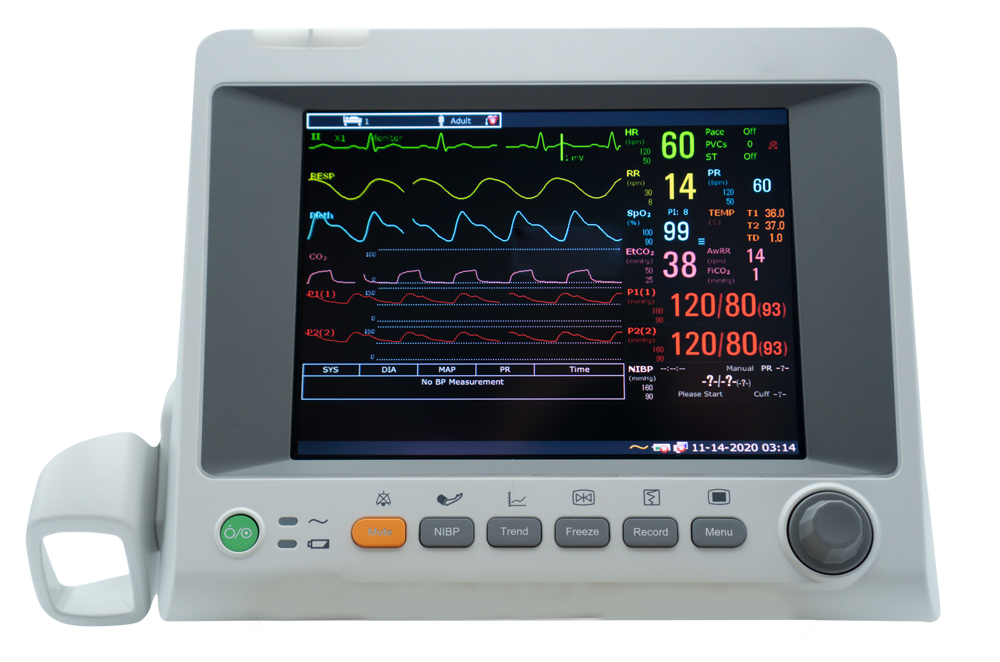
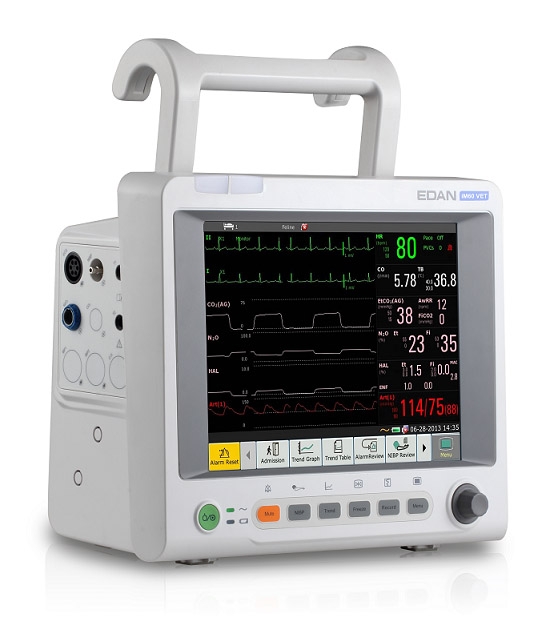
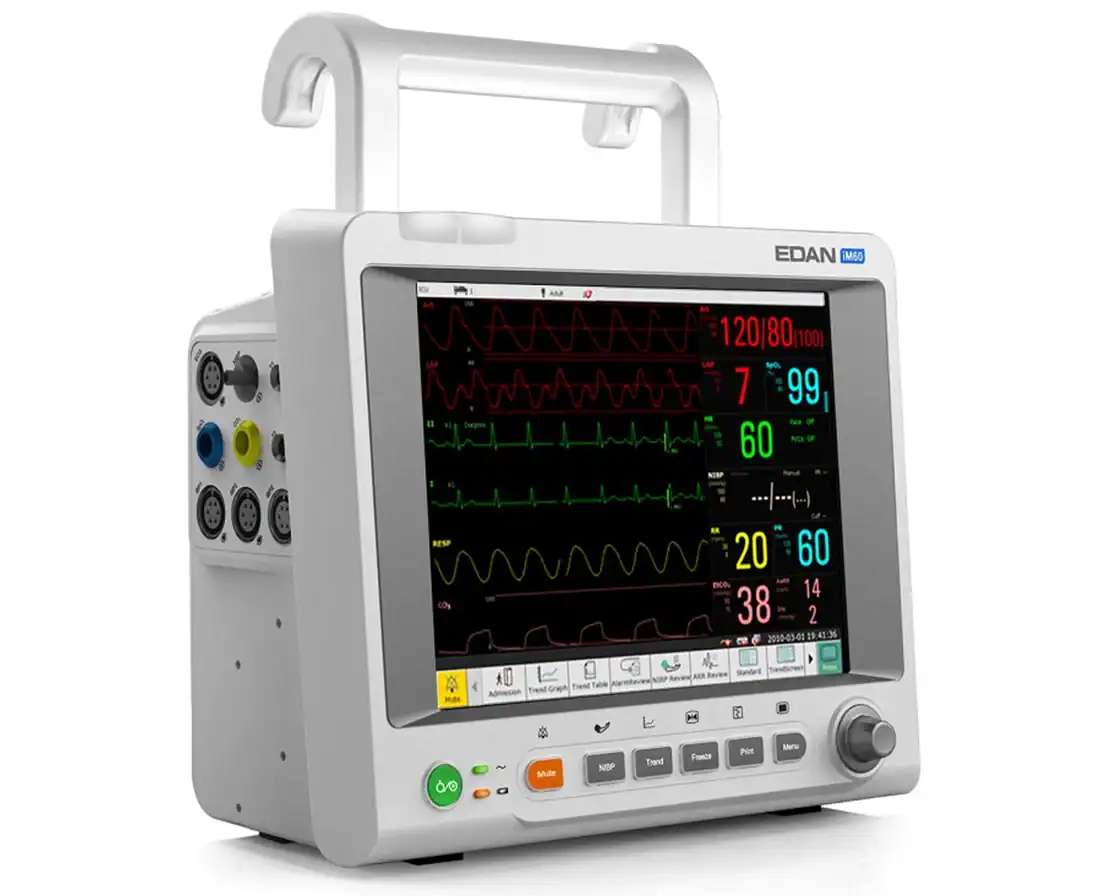
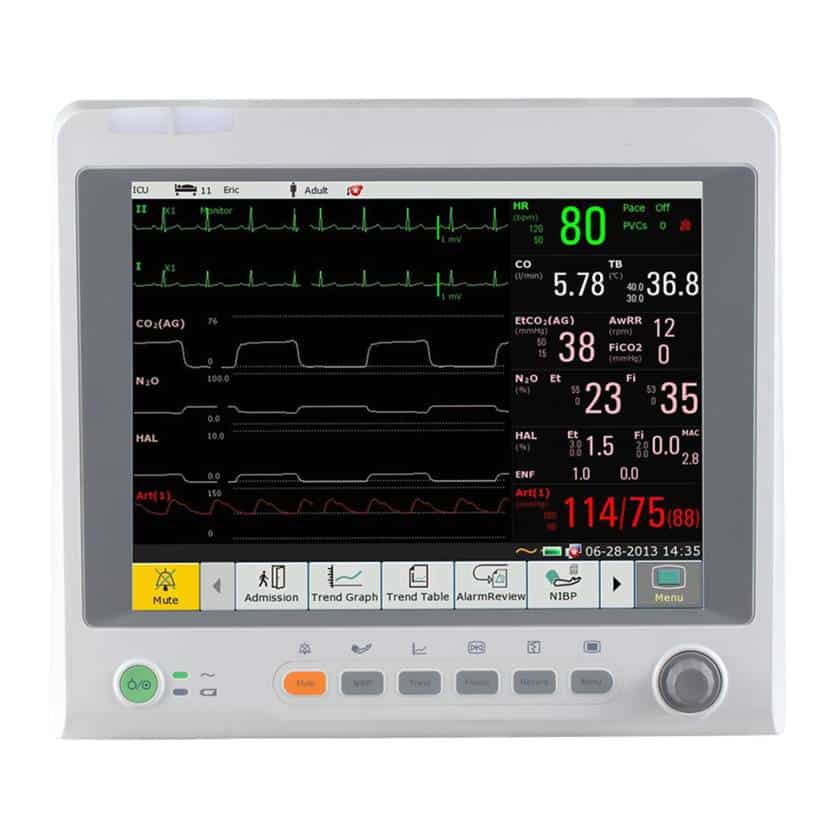
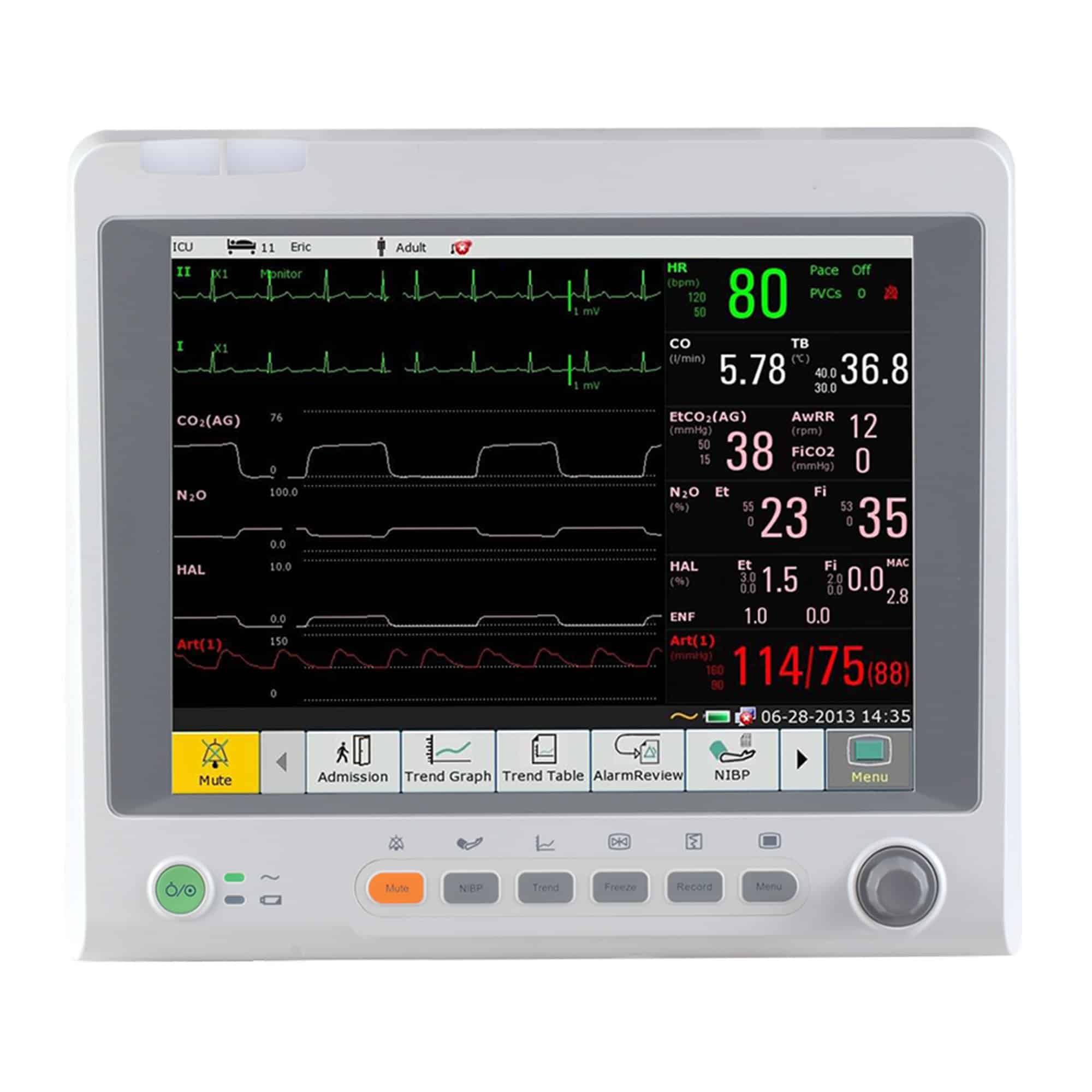
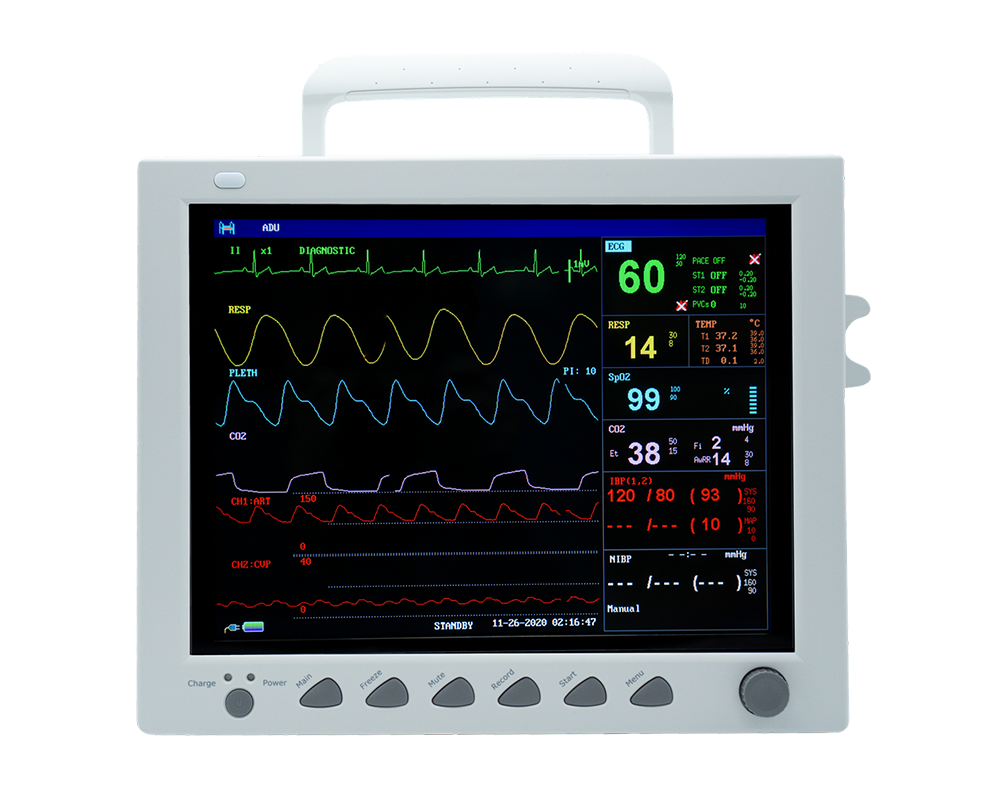
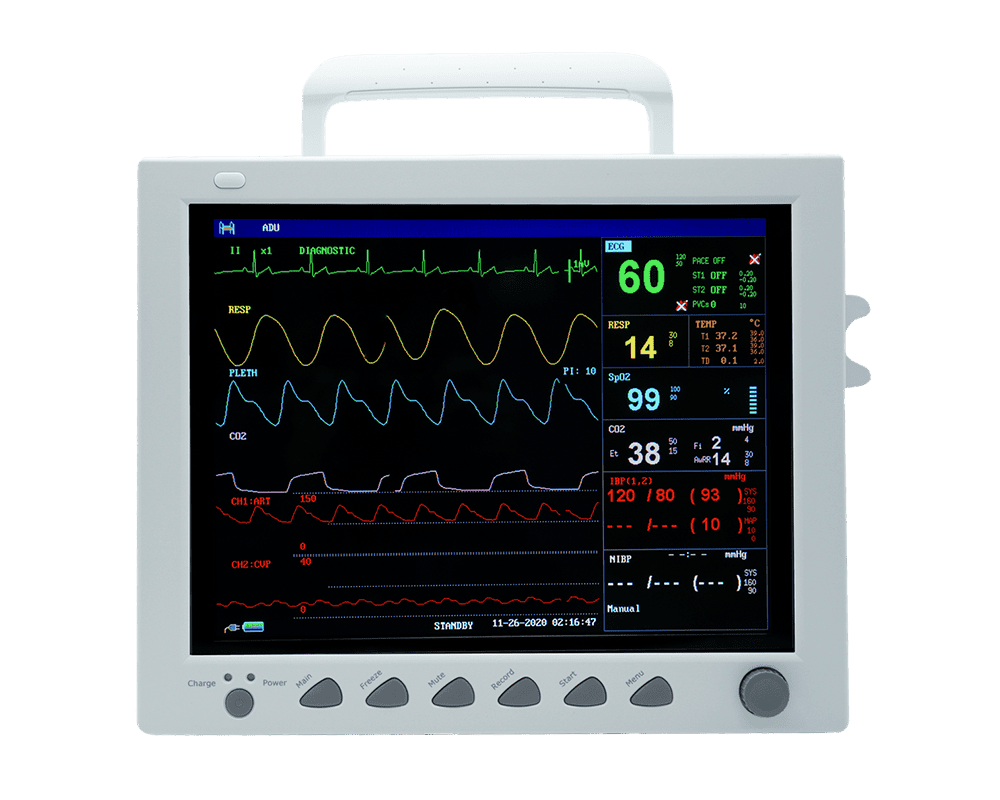
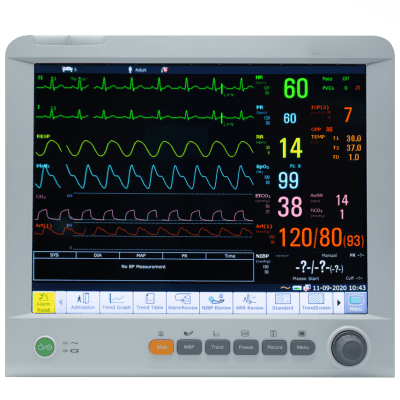
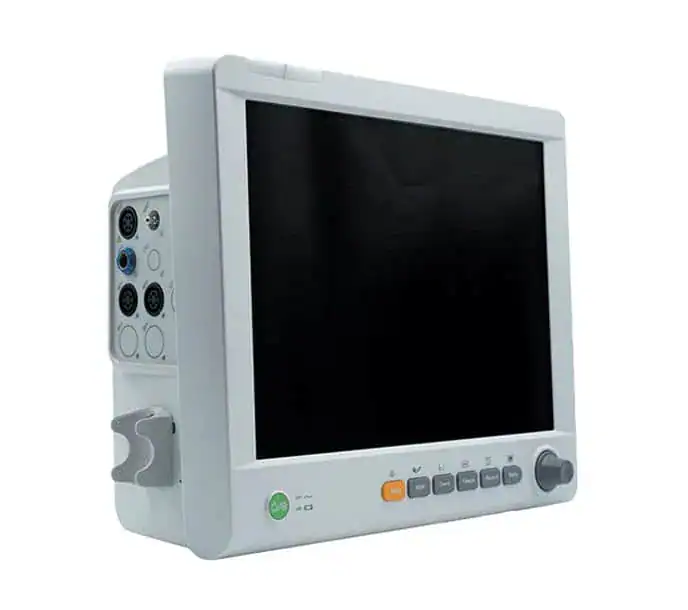
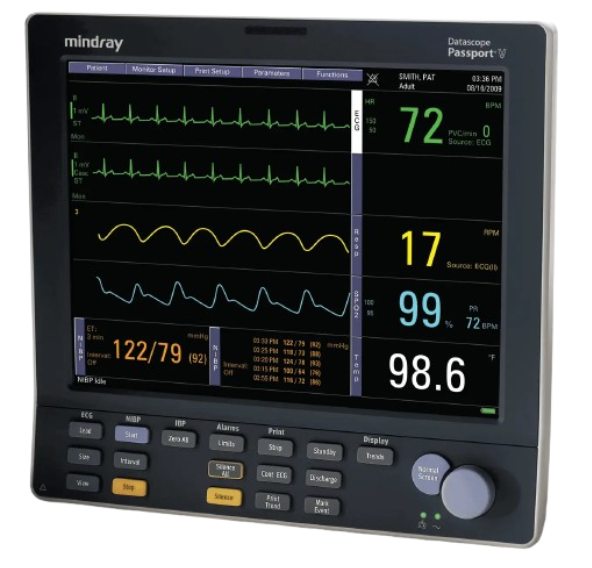
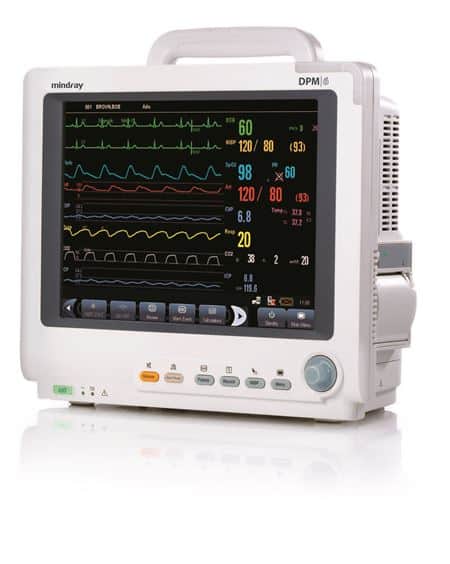
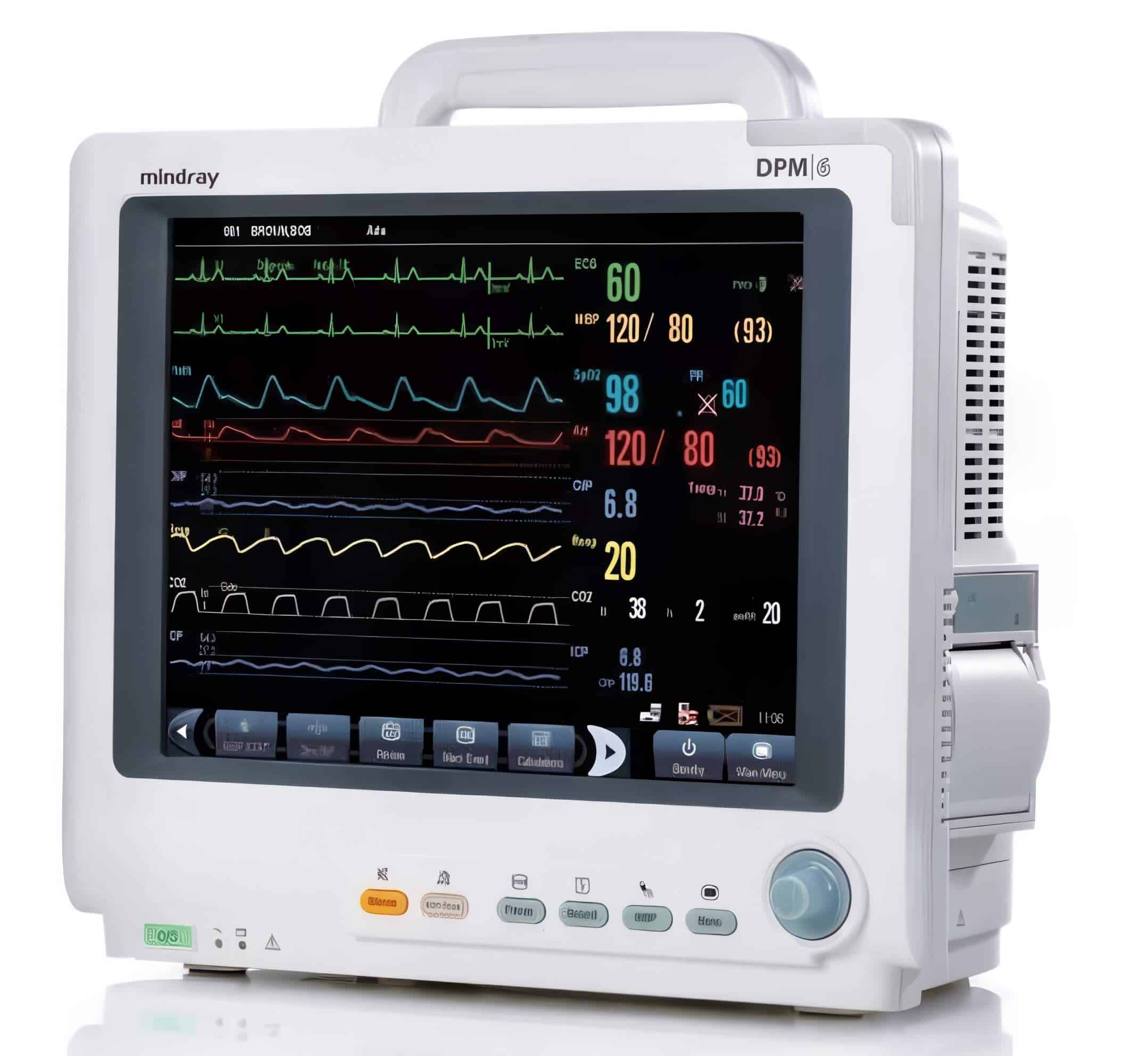
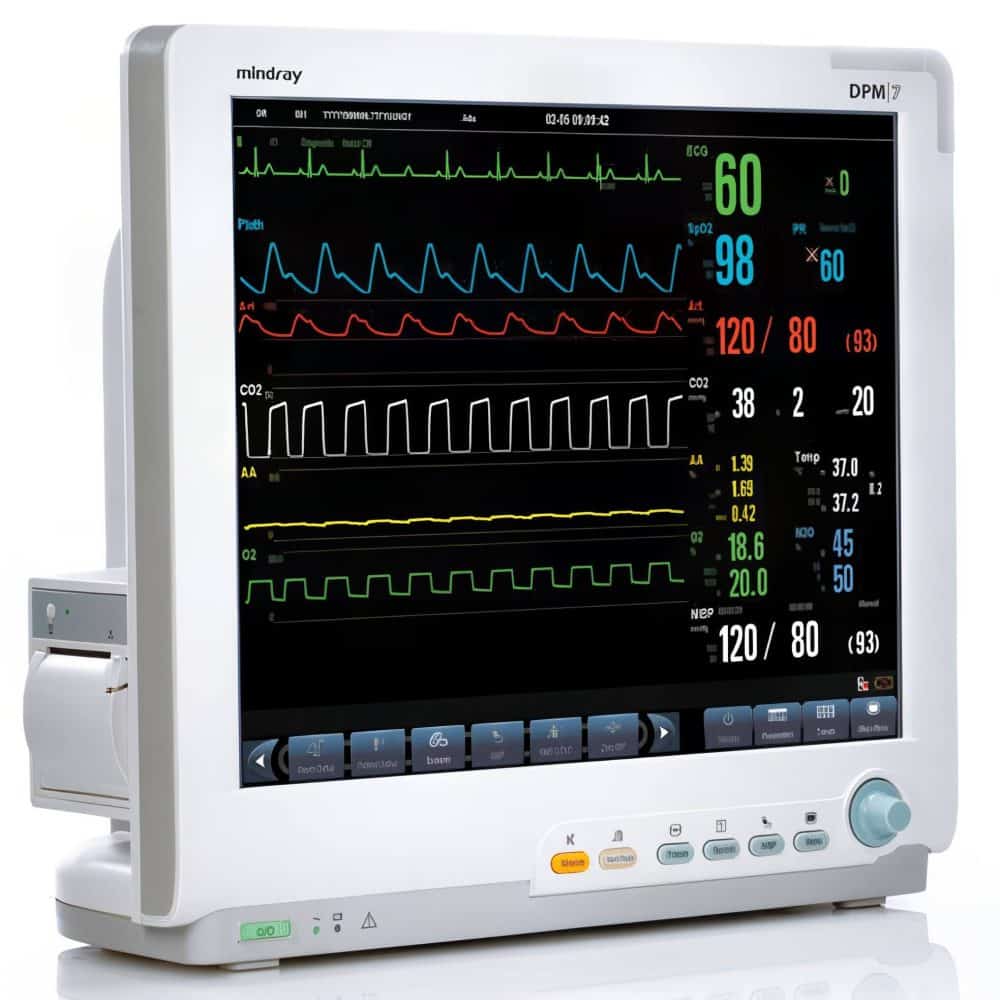
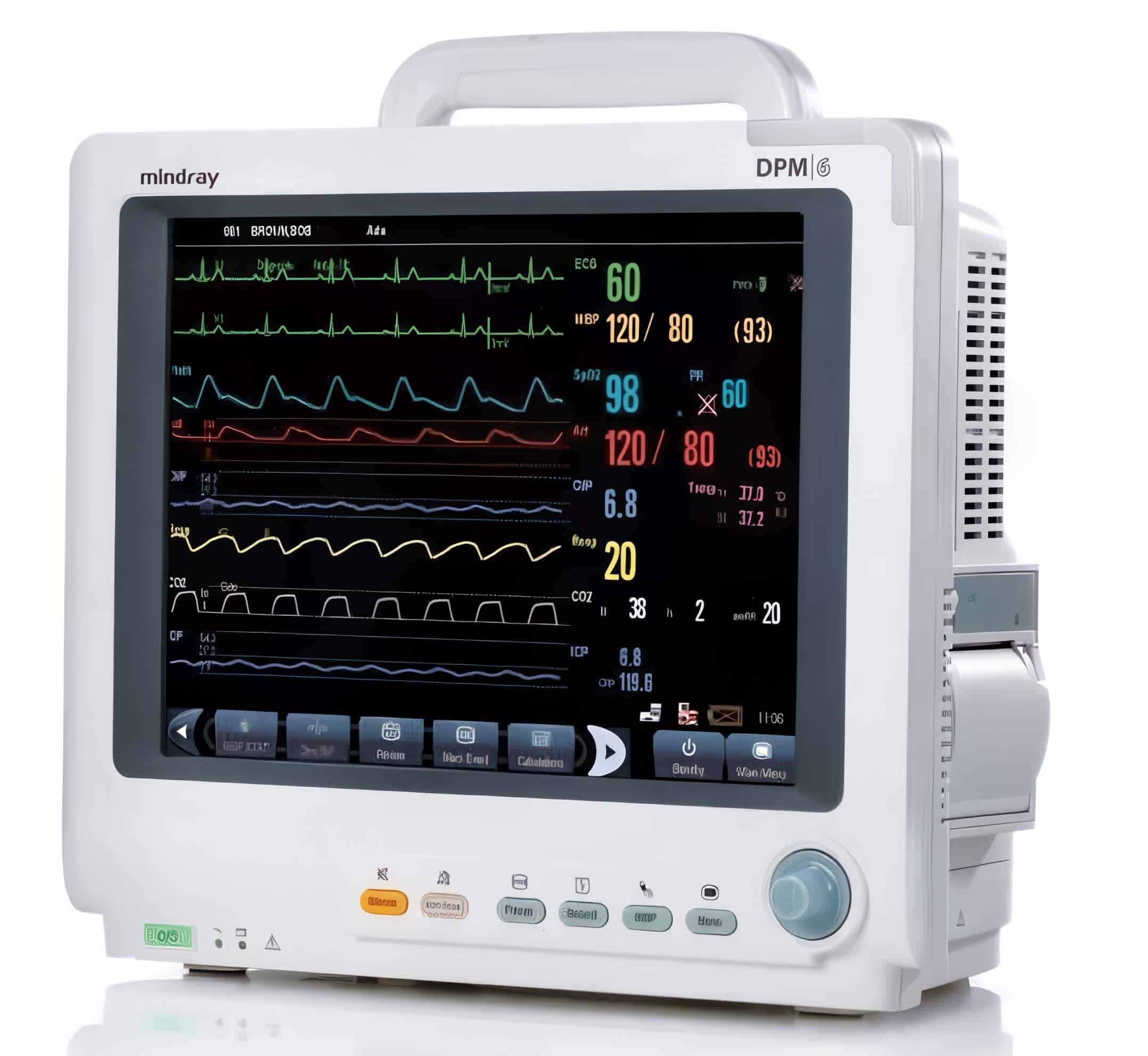
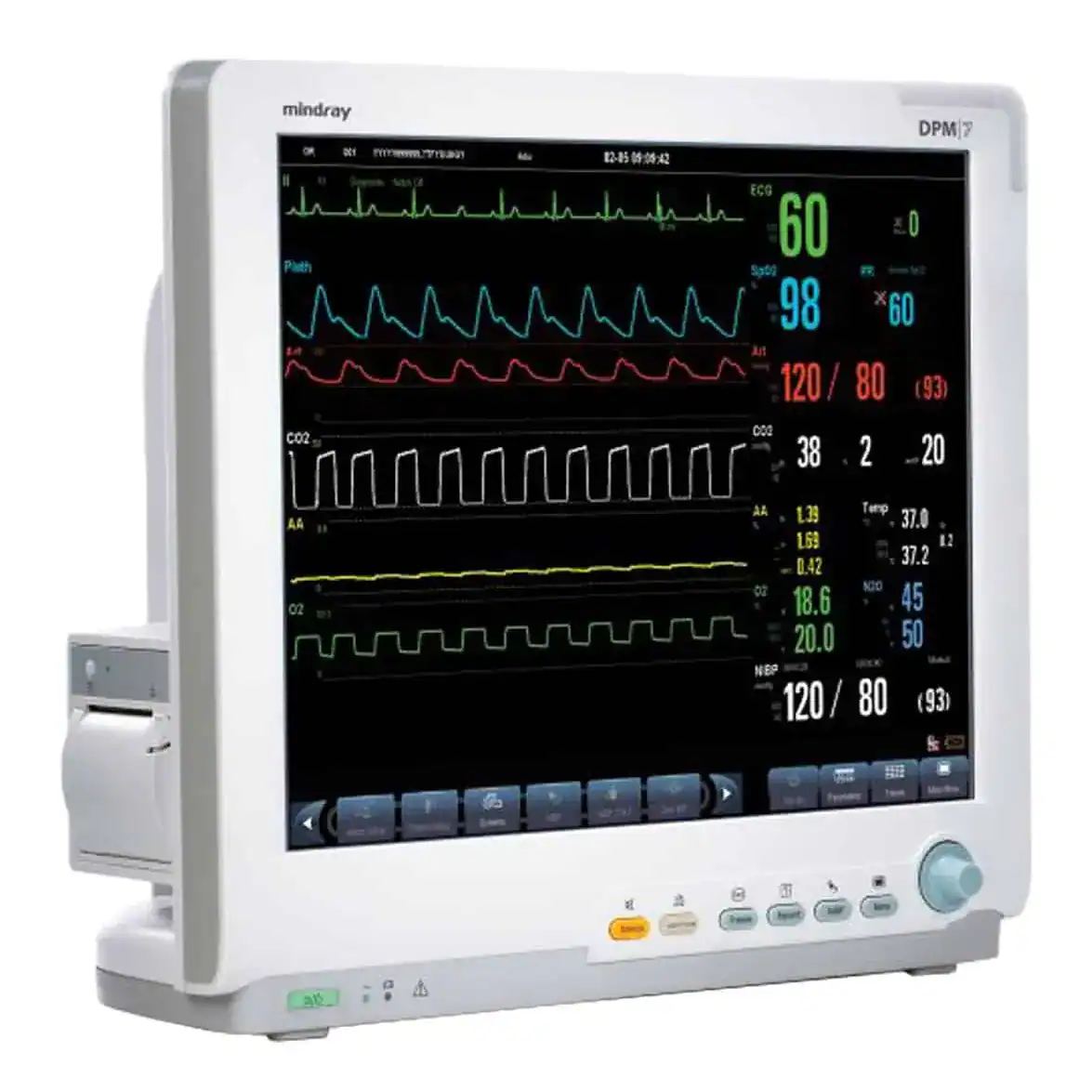
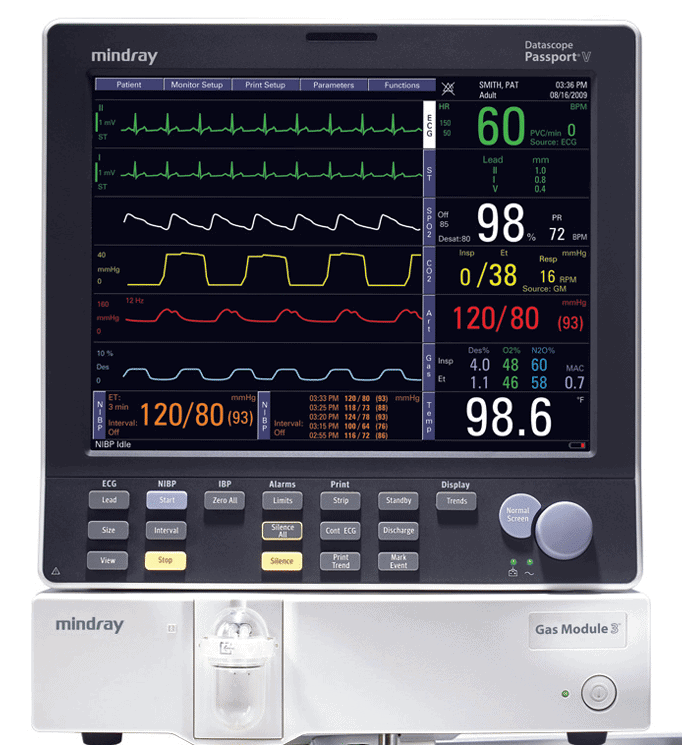
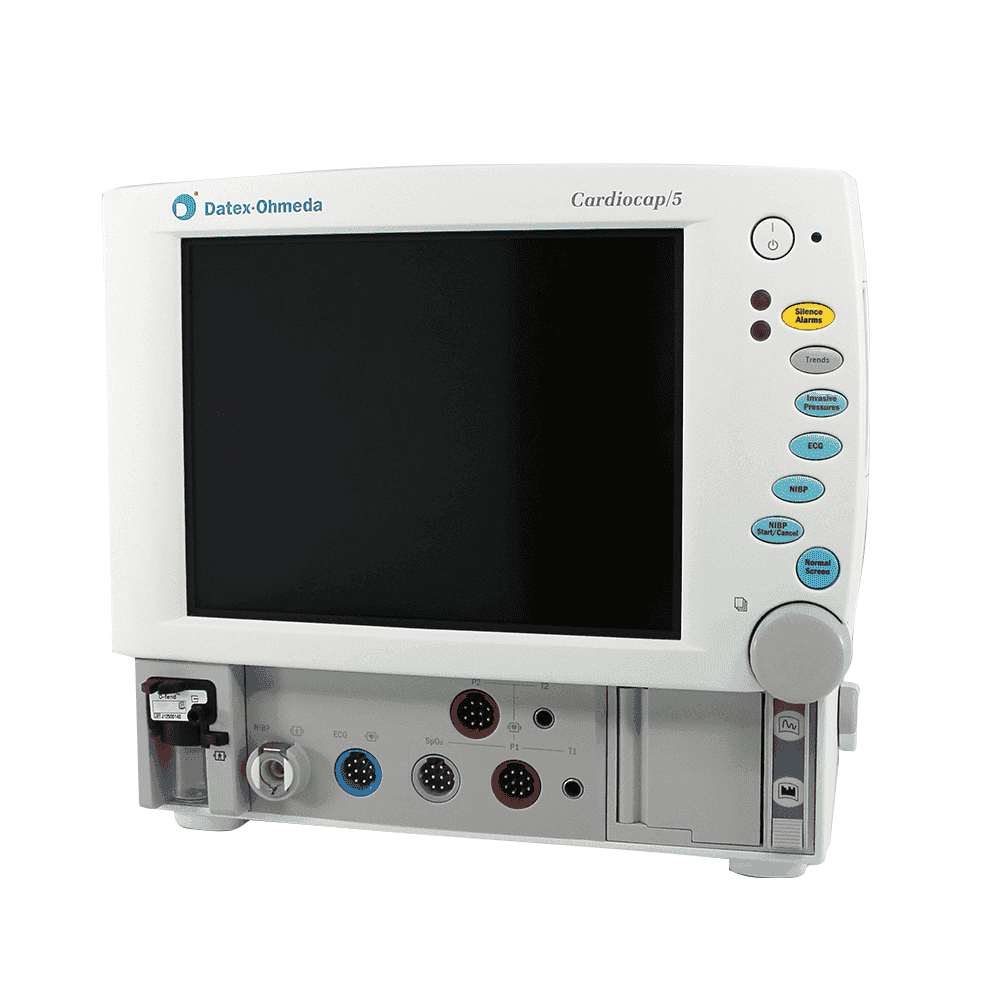
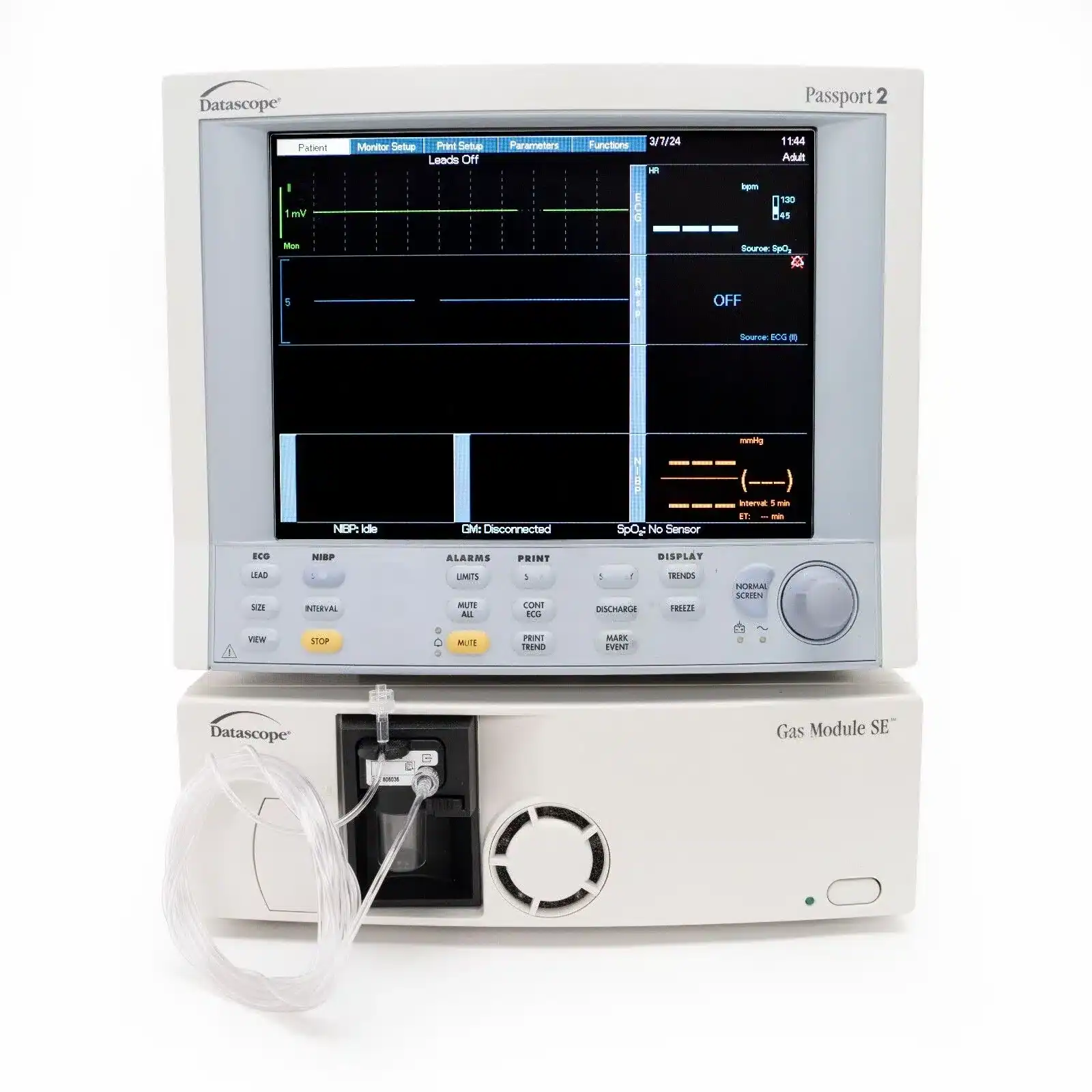
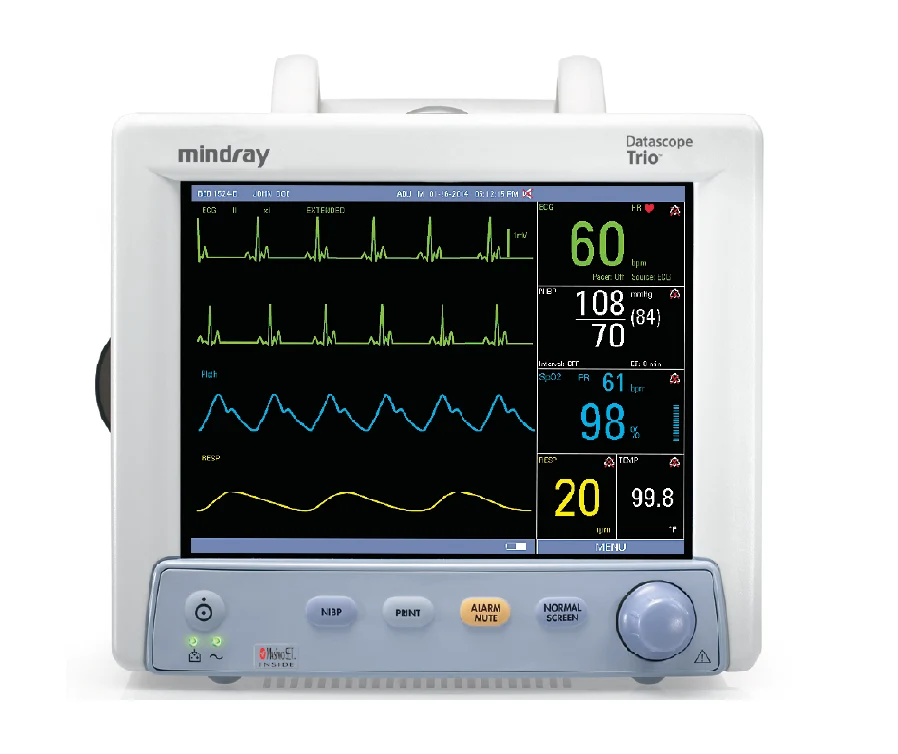
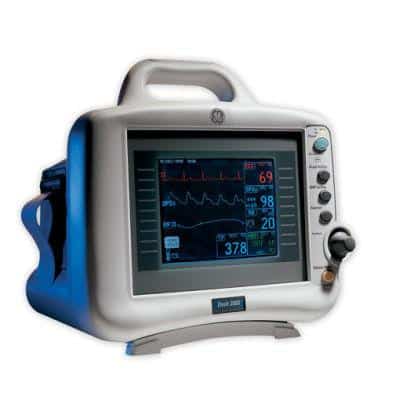
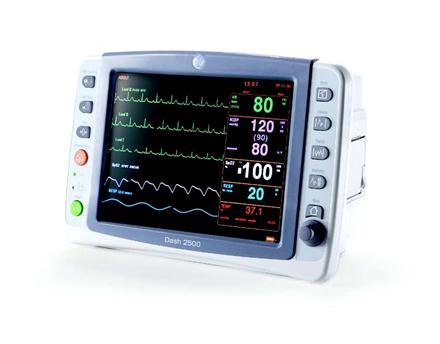
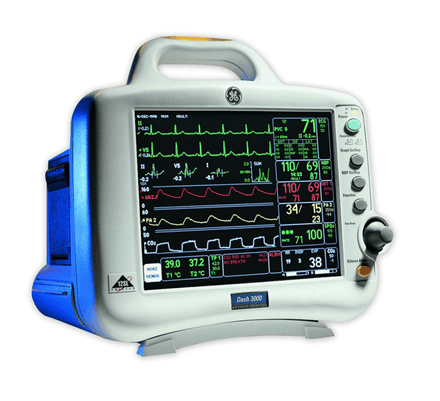
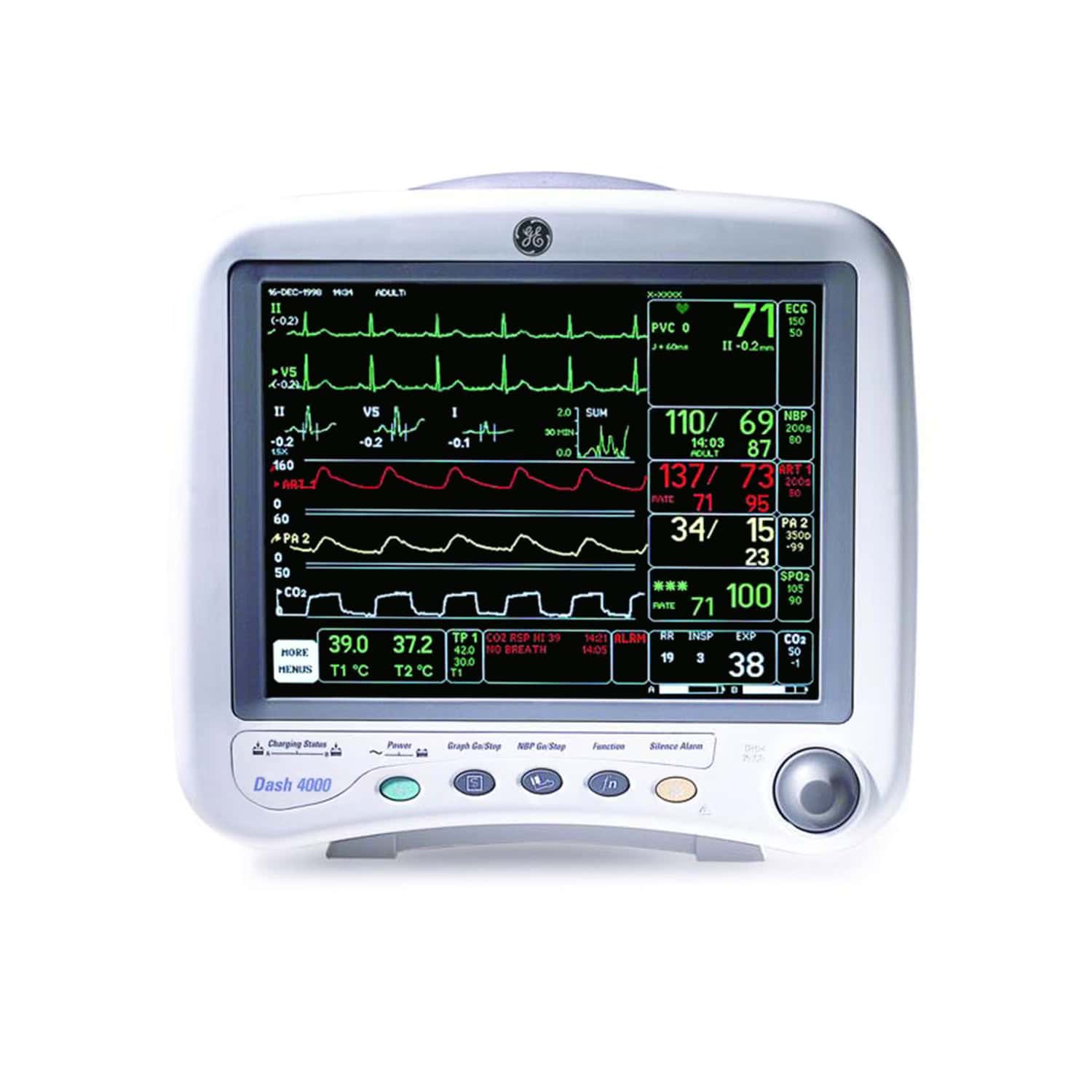
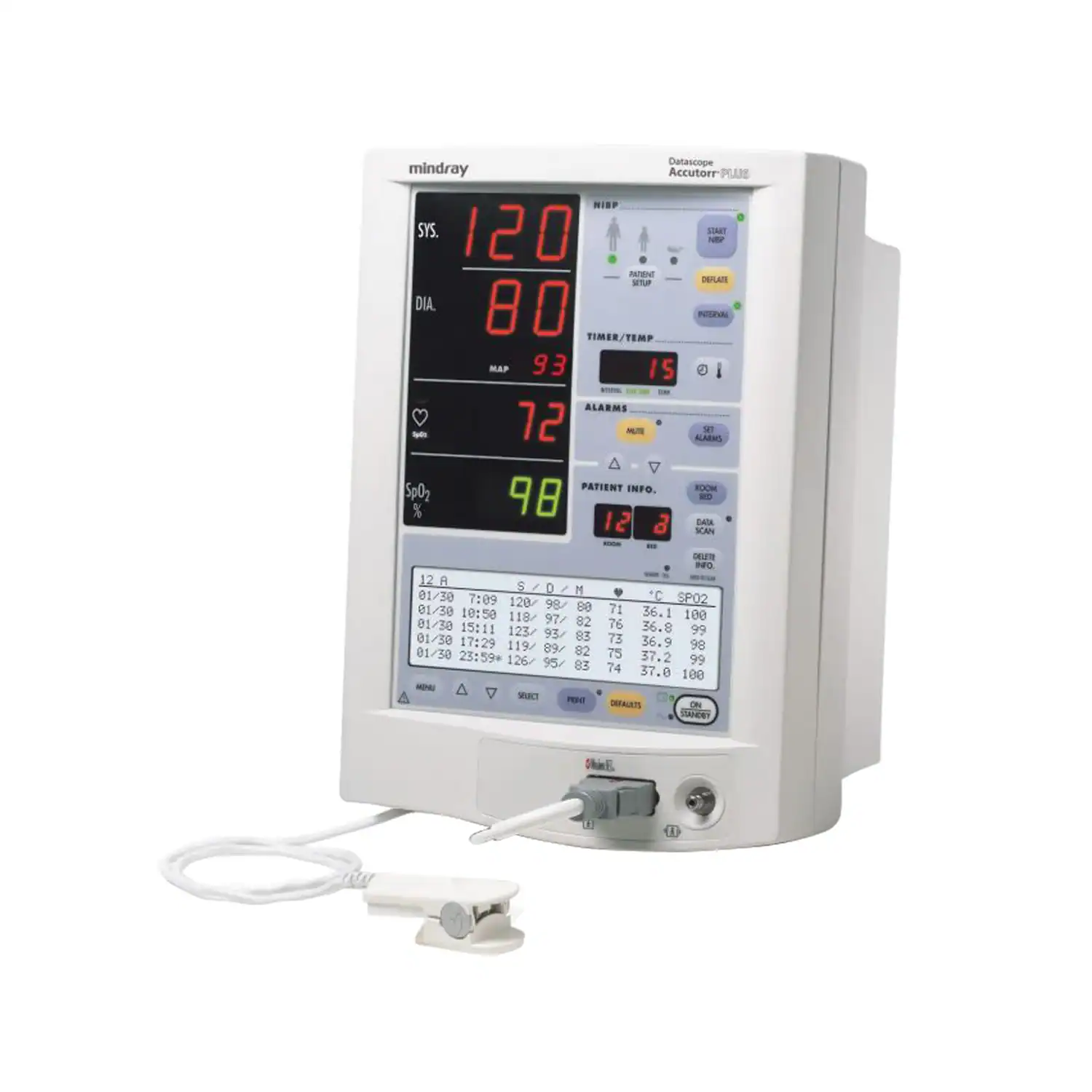
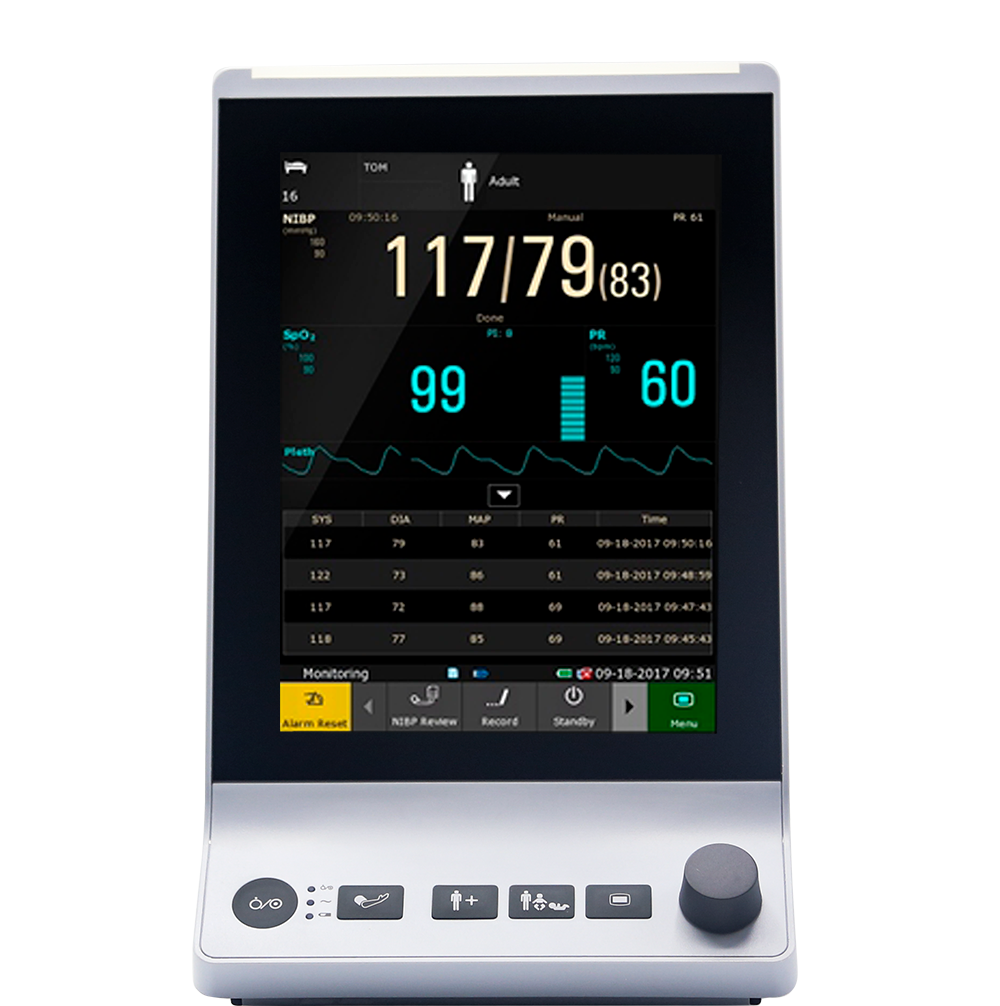
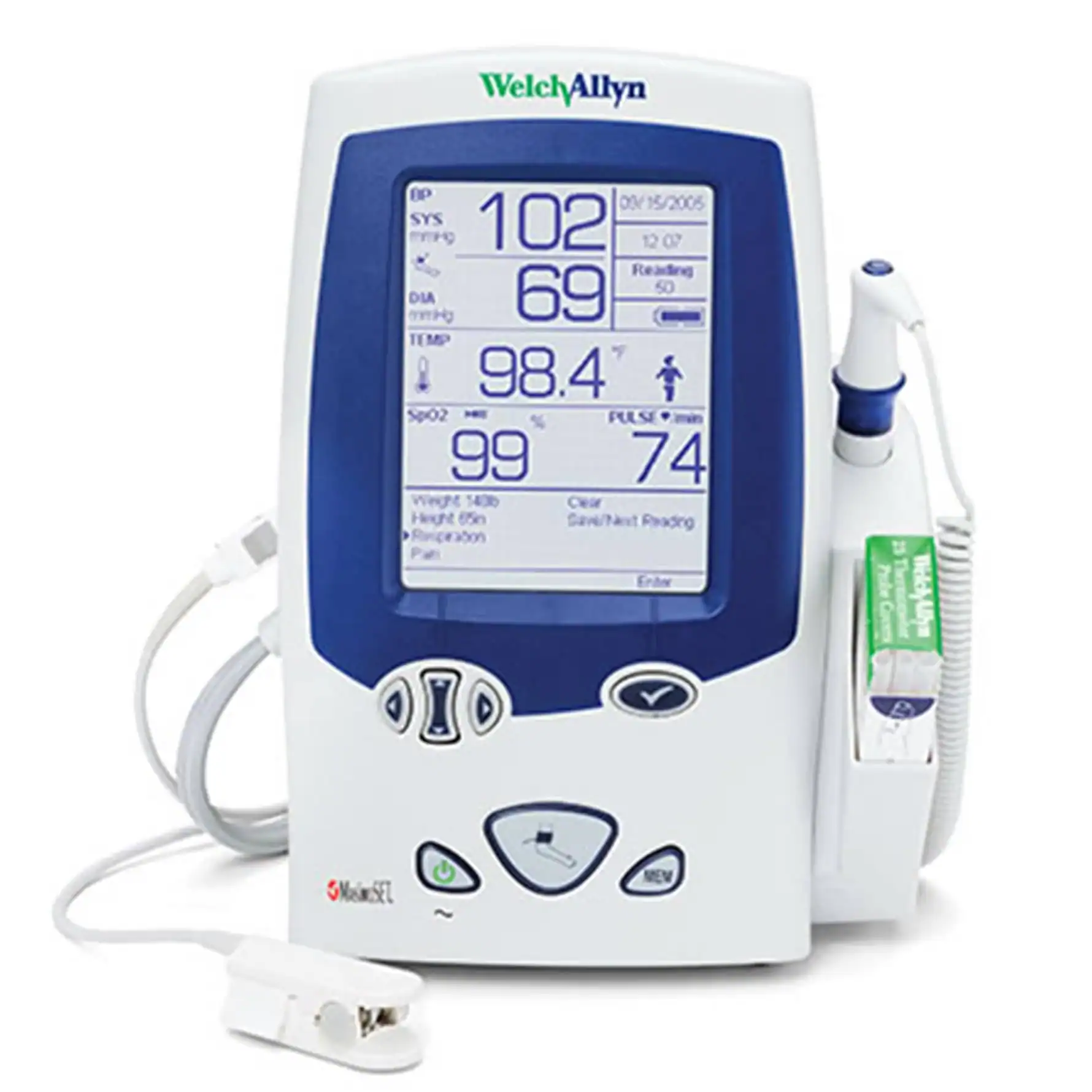
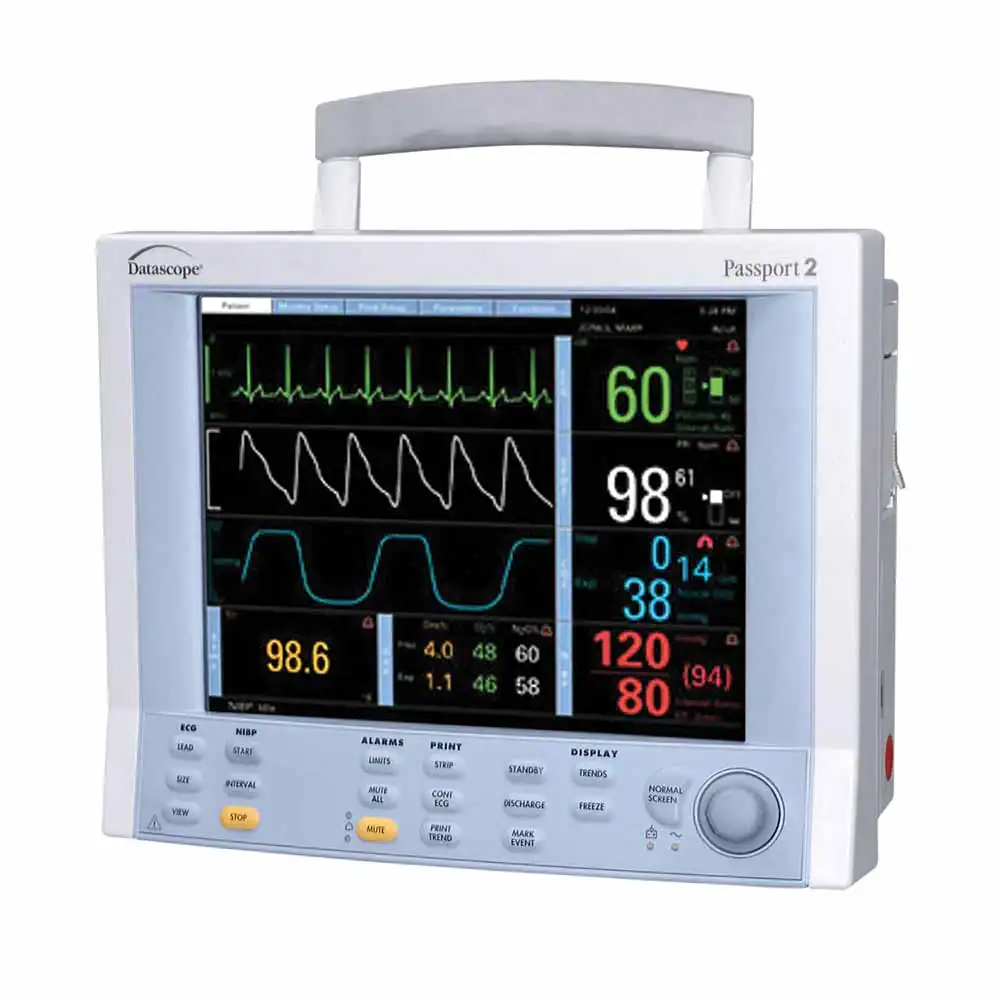
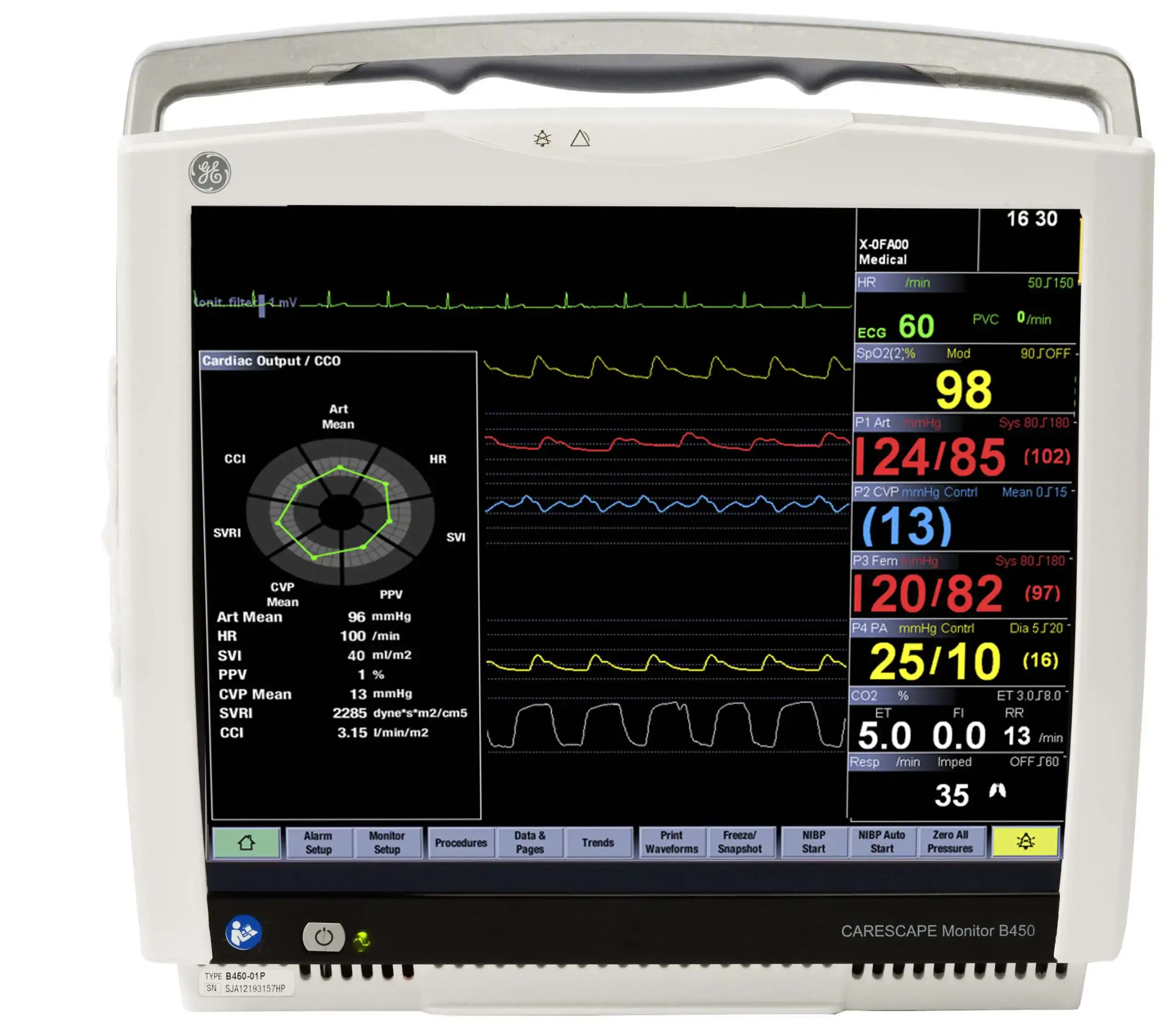
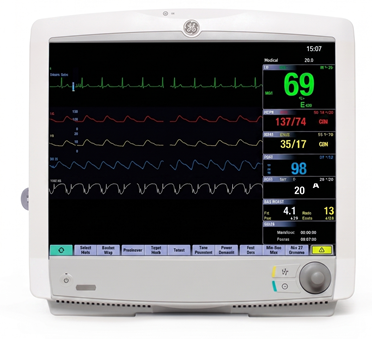
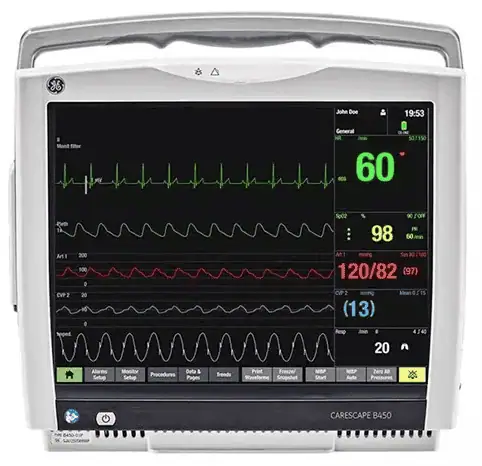
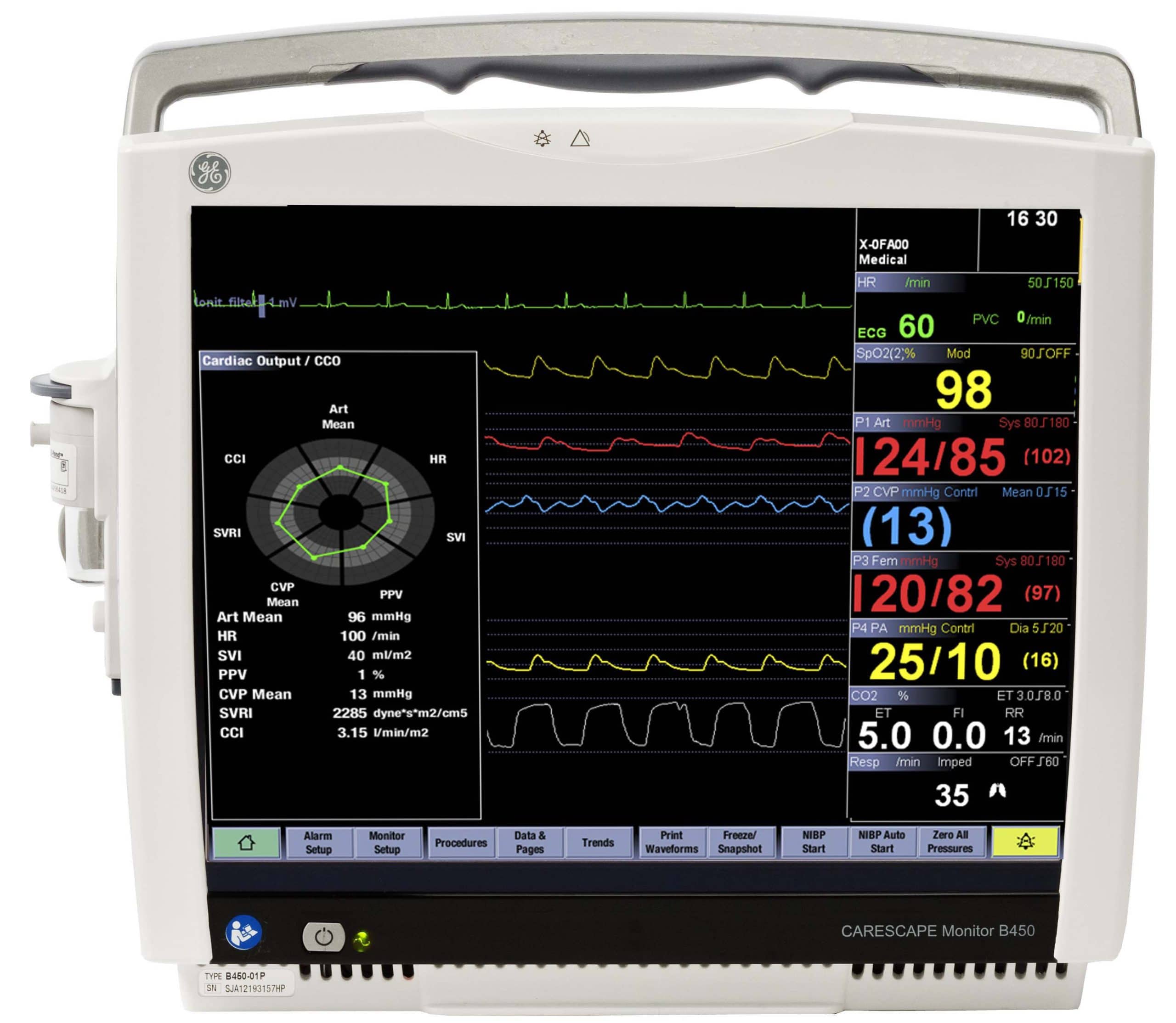
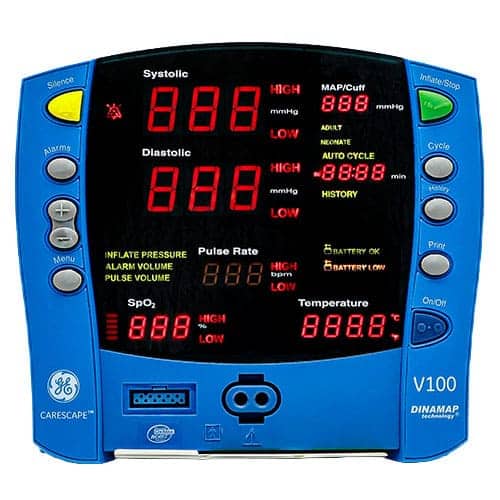
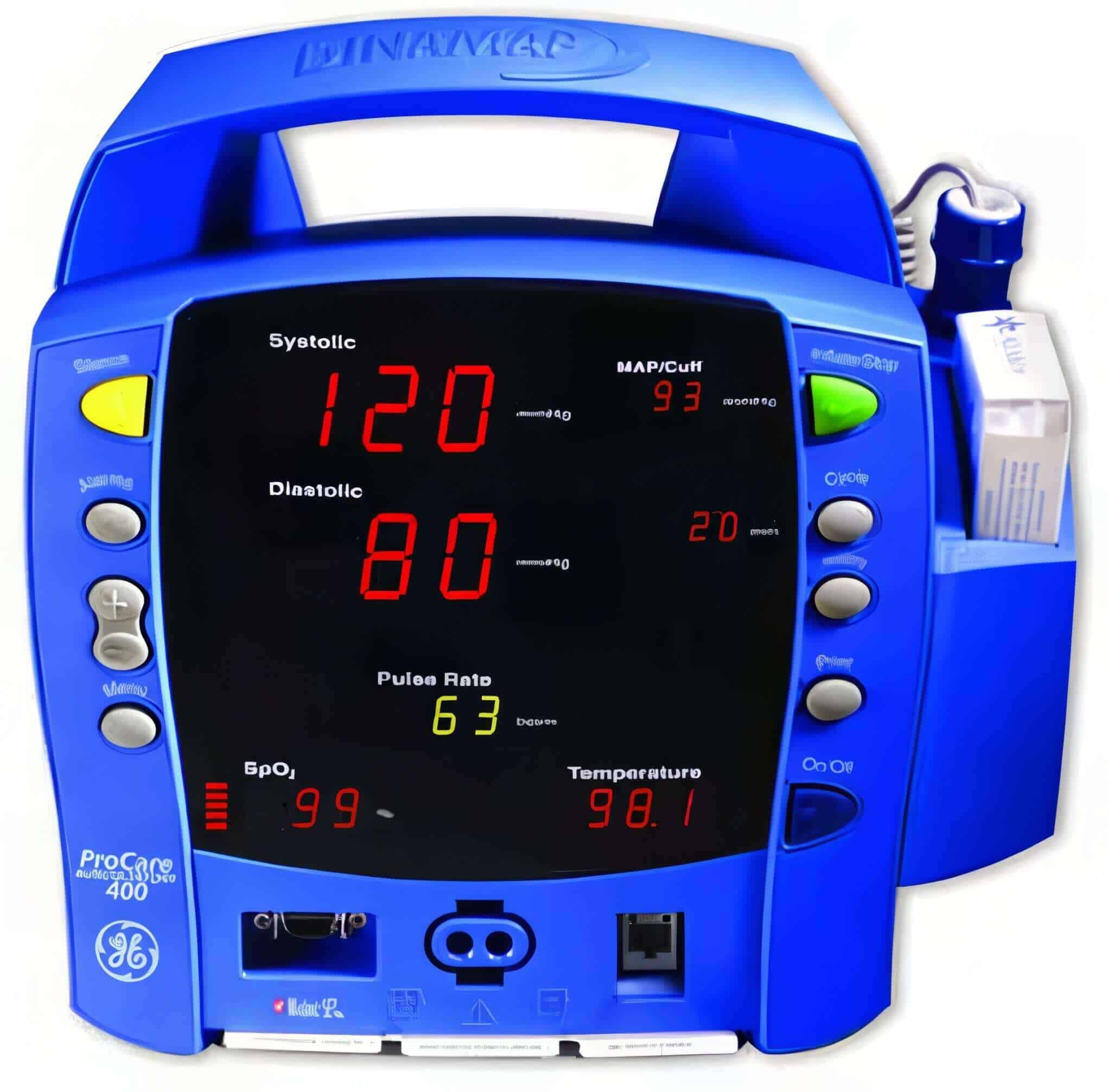
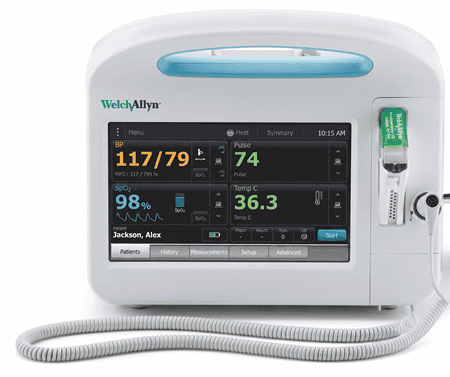
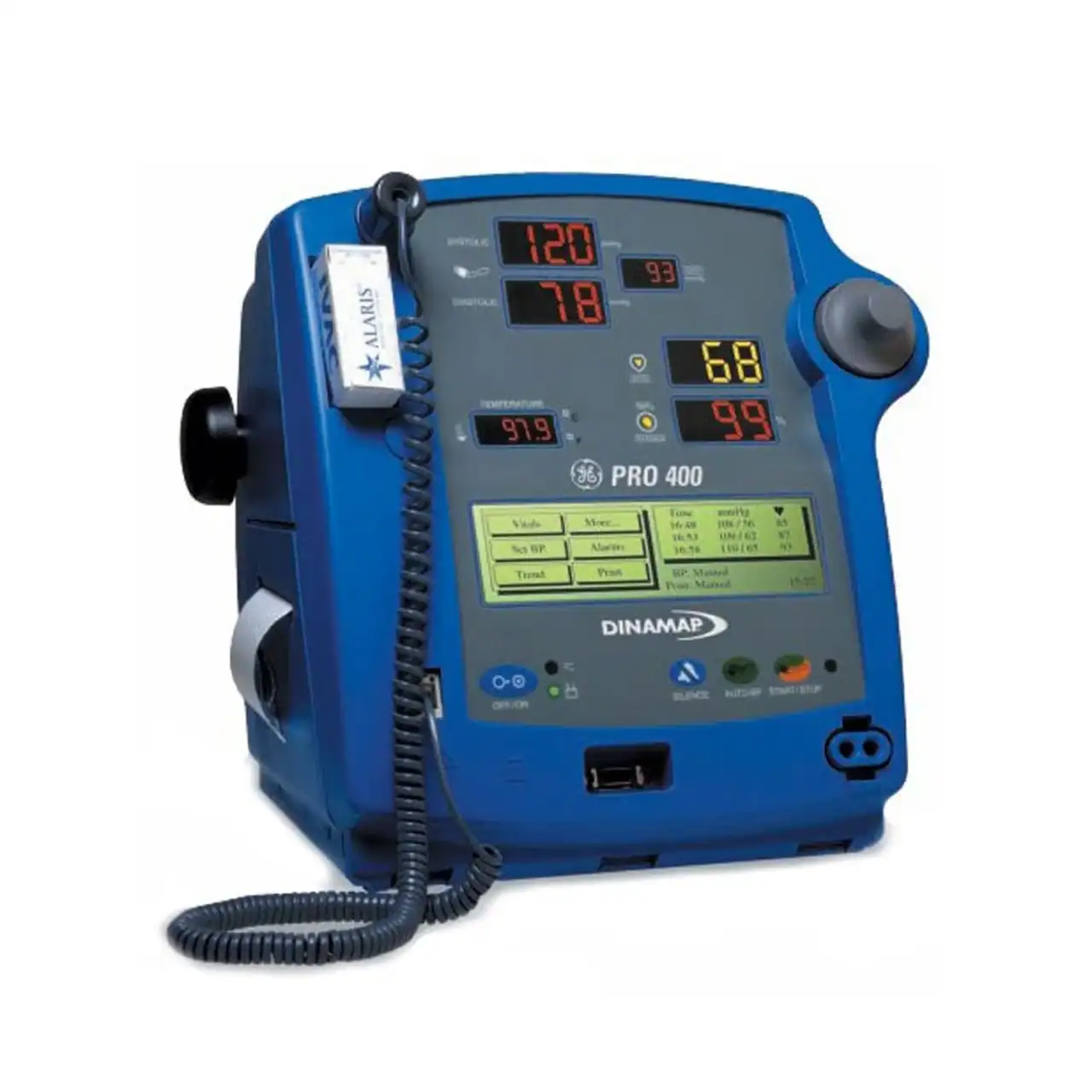
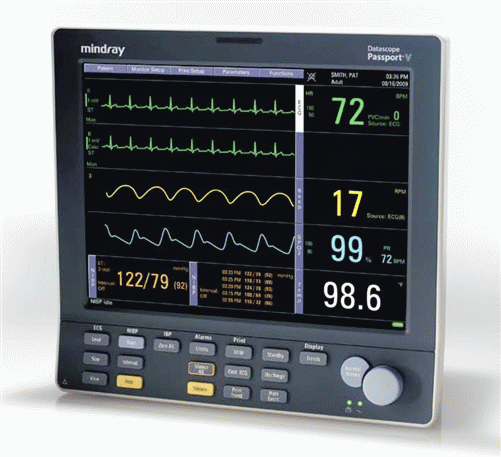
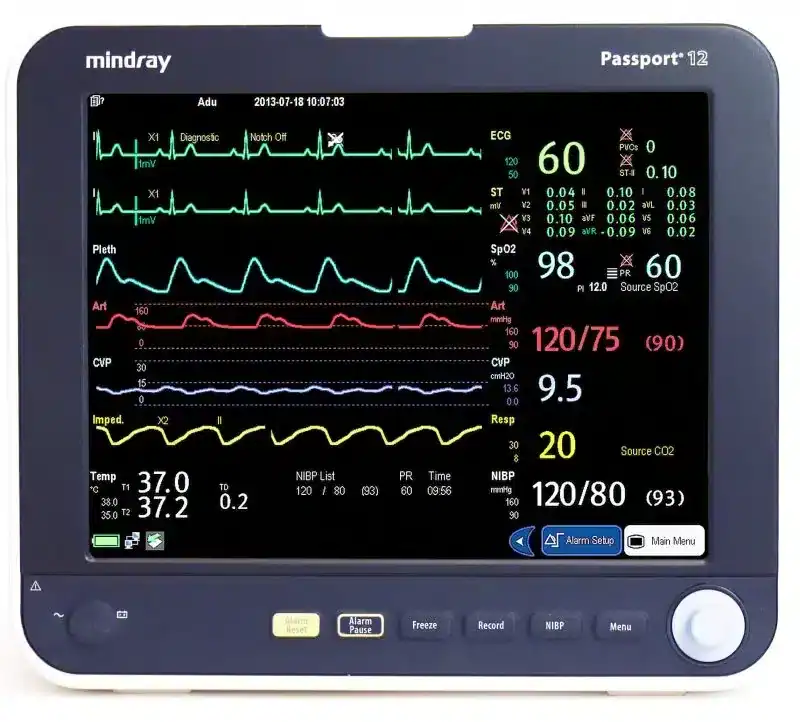
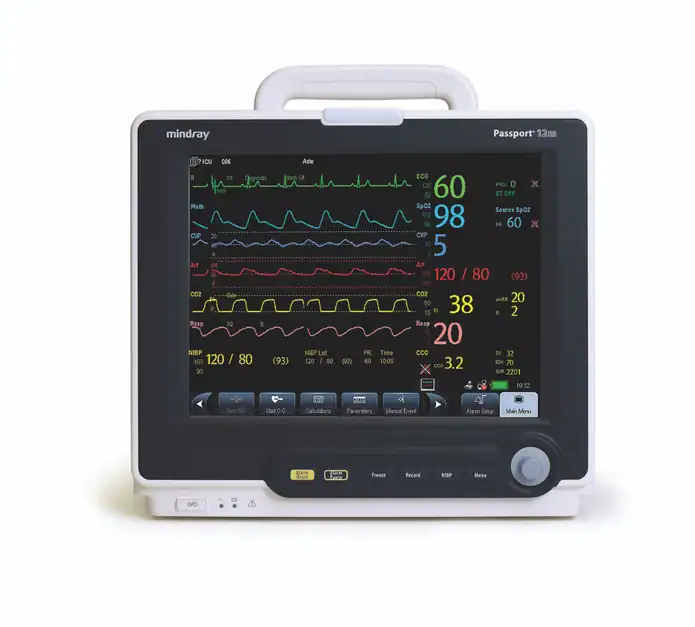
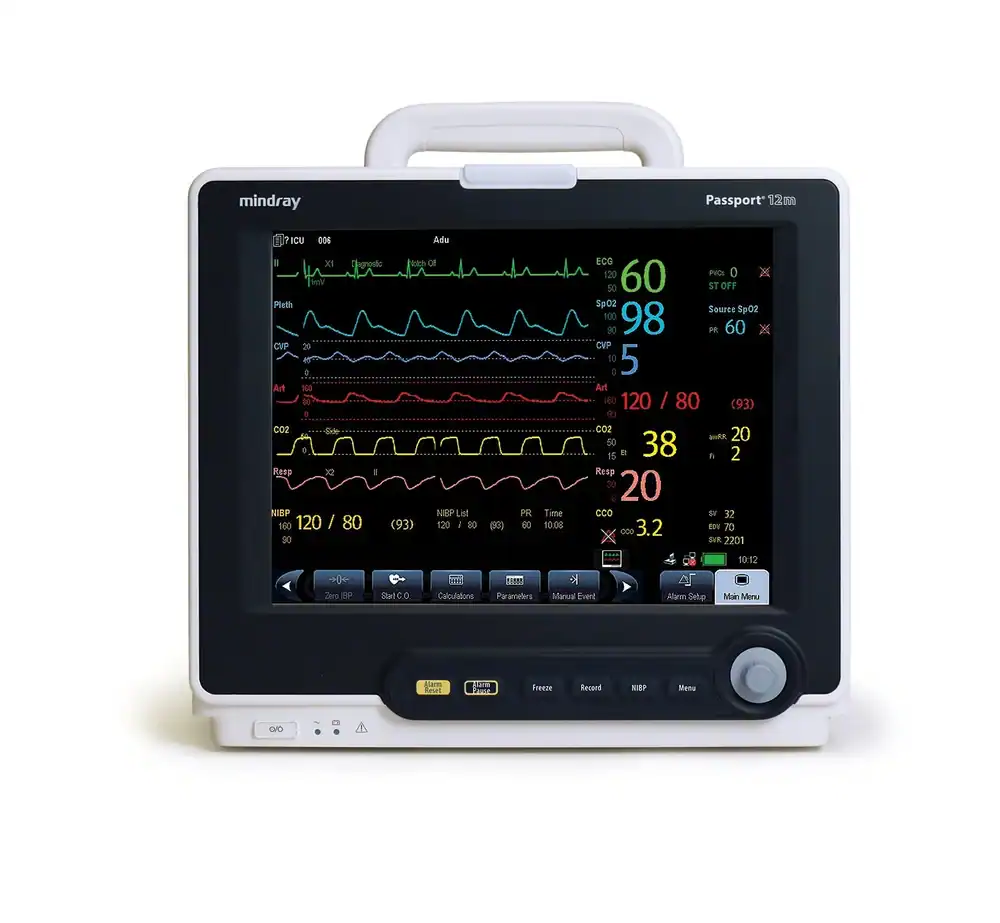
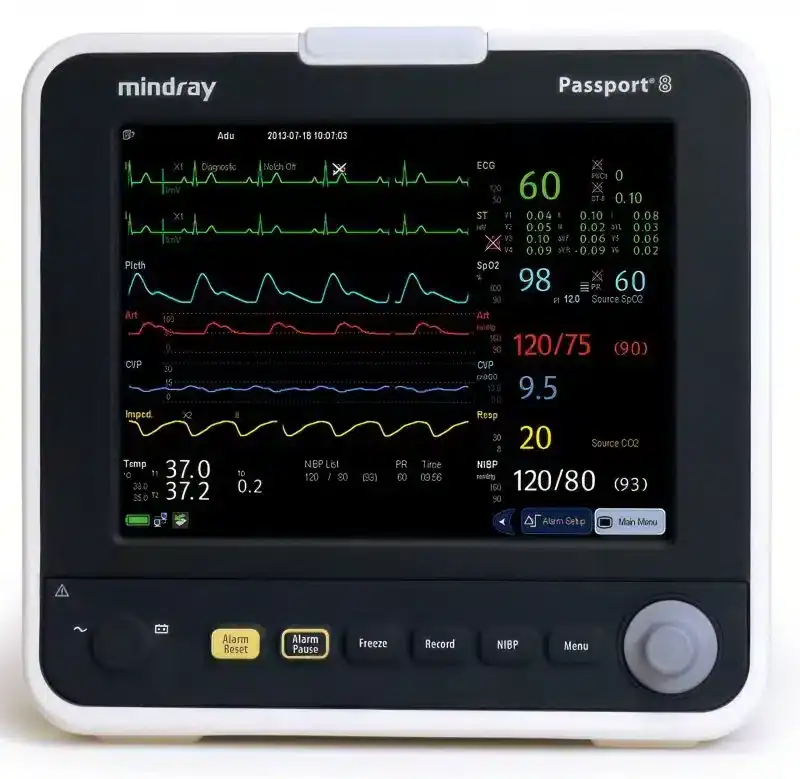
Our inventory spans the industry’s most trusted manufacturers, including Philips, GE, and Mindray. We carry new and refurbished patient monitors and accessories for critical care, surgery, and recovery. Our selection includes bedside monitors, modular and transport monitors, telemetry units, and compatible accessories. Our specialists match the right monitor to your unit and budget.
Every refurbished patient monitor moves through our in-house biomedical shop. There, our technicians inspect, test, and restore it to hospital-grade condition. You get dependable equipment without a new-equipment price. Contract customers also gain access to our loaner pool. If a monitor fails, we send a loaner to keep you running.
Our family owns and operates an 18,000-square-foot facility in Tampa, Florida. From there, we support hospitals, surgery centers, and specialty practices. Our customers include intensive care units, operating rooms, recovery units, and outpatient clinics. We Operate So You Can® – browse our patient monitors above, then request a quote or call 800-627-3215.